
Managing Supply Chain Risk in Multi-Location Hardware Rollouts
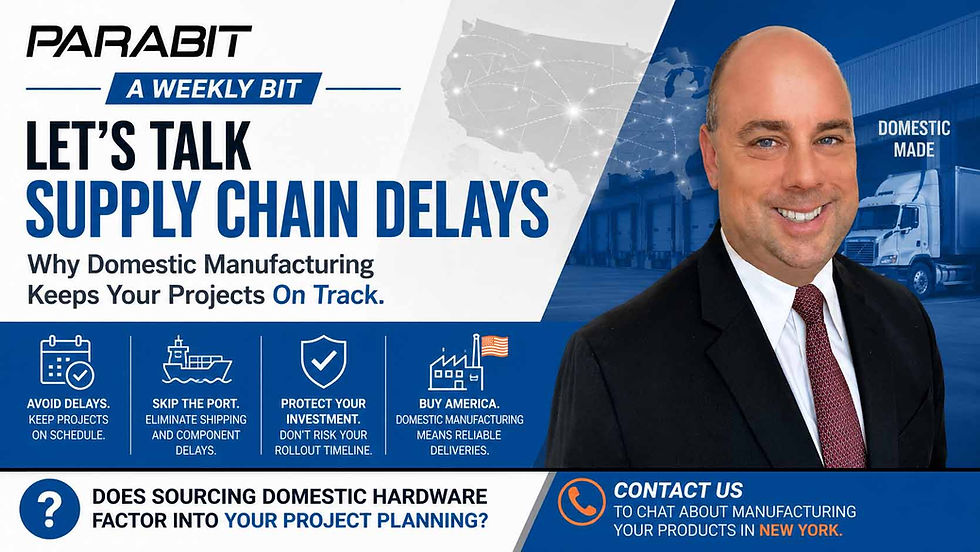
Rolling out physical security updates across a multiple location enterprise involves coordinating dozens of moving parts, but unexpected freight and component delays tend to cause the biggest disruptions. Lowering line-item hardware quotes by a few percentage points looks good during early project planning, but delayed shipments can wipe out those initial savings.
When hardware gets stuck in transit, the operational impact creates a domino effect of delays, schedule shifts and more:
Field Crew Downtime: Installation crews, locksmiths, and integrators scheduled months out end up waiting on delayed components, creating unexpected reschedule fees and lost labor hours.
Extended Risk Windows: Keeping legacy hardware active past its target retirement date leaves facilities exposed to compliance flags and potential security gaps.
Site Open Dependencies: A single delayed sub-assembly can halt facility openings, disrupting the deployment schedule.
To mitigate these timeline risks, more enterprise project managers are factoring supply chain proximity directly into their vendor evaluations. Partnering with an engineering and manufacturing firm that produces hardware domestically removes international transit disruptions from the project timeline entirely.
When design, manufacturing, assembly, integration, configuration, testing and logistics happen under one roof within the U.S., project managers gain direct visibility into production timelines and product availability. Local sourcing also allows for strict quality control checks before hardware leaves the facility, along with the flexibility to handle custom designs and modifications without waiting on overseas re-tooling cycles.
Explore Parabit support for your next electronic security rollout: www.parabit.com/contact-us
Watch the video:
VIDEO TRANSCRIPT:
“Let’s talk supply chain delays for this week's A Weekly Bit. When a retail bank or a major corporation updates its security hardware across multiple states, there tends to be a pattern in what goes wrong most often: shipping and component delays. Saving a few bucks on a hardware quote goes right out the window if your components get stuck in a port for six months, completely stalling a multi-branch rollout. That’s why teaming up with a partner who manufactures domestically, (maybe even right here on Long Island), eliminates that timeline risk. Does sourcing domestic hardware factor into your project planning? Contact us if you want to chat about manufacturing your products in New York.”


