
HOUSINGS, MOUNTS & POSTS


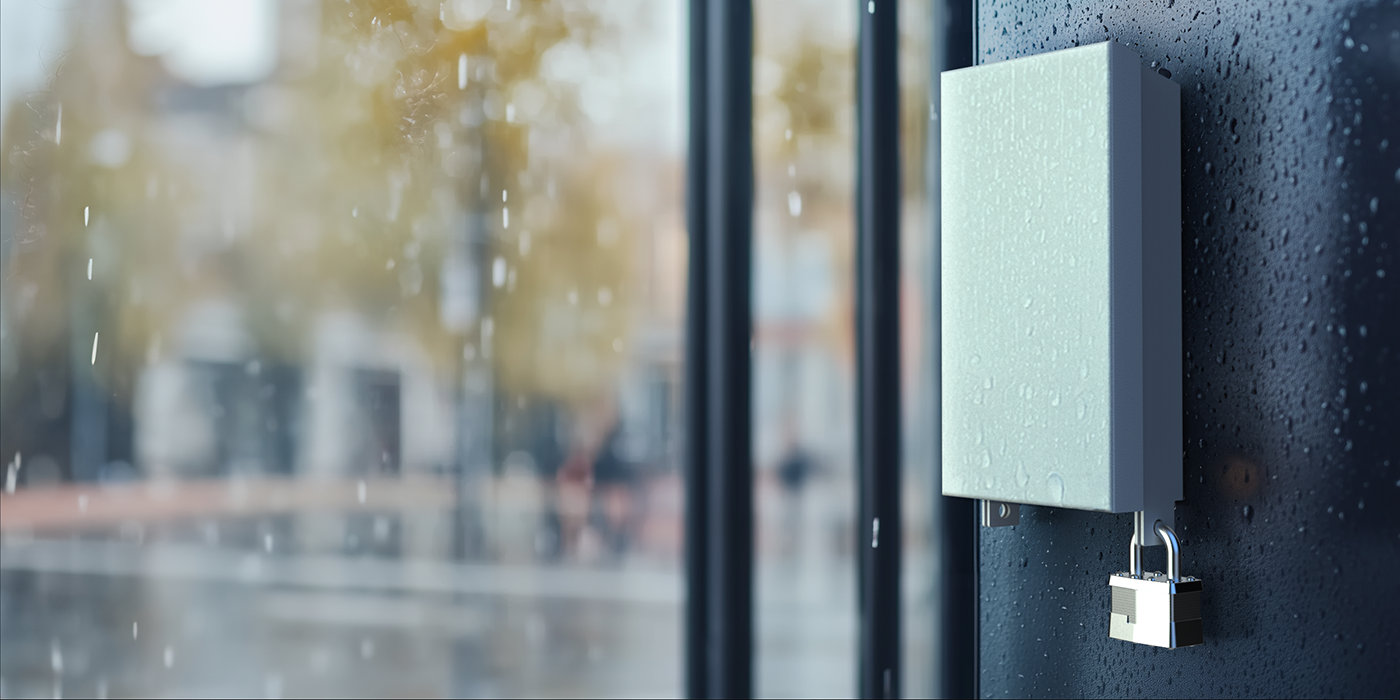


Parabit’s housings, mounts, and posts are engineered for secure, reliable integration of cameras, readers, sensors, and biometric devices across a wide range of environments. From wall, mullion, and turnstile mounts to posts, pedestals, and revolving door solutions, each product supports proper alignment, performance, and protection. Designed for indoor and outdoor use, these solutions streamline deployment while maintaining aesthetics, durability, and system integrity.

DOWNLOAD ACCESS CONTROL
DEVICE MOUNT BROCHURE

DOWNLOAD BIOMETRIC DEVICE MOUNT BROCHURE
Enable secure, flexible installation of biometric and access control readers across various architectural and infrastructure conditions.
Deliver stable, ergonomic setups for biometric or credential capture to support smooth, user-friendly enrollment experiences.
Provide a clean, fixed mounting solution for biometric or access control readers on walls where space-saving, visibility, or accessibility is required.
Integrate biometric and access control readers at secure entry points without disrupting the function or aesthetics of revolving doors.
Offer freestanding mounting options for biometric and access control readers in indoor or outdoor environments where wall or turnstile placement is not possible.
Install biometric and access control readers on narrow door frames or glass partitions with compact mounts that ensure proper positioning and support.
TURNSTILES MOUNTS


WALL MOUNTS


MULLION MOUNTS


POSTS & PEDESTALS


INTERIOR/EXTERIOR HOUSINGS


REVOLVING DOOR MOUNTS


ENROLLMENT STATION


RELATED NEWS, ARTICLES, BLOG POSTS


FAQs WHAT PURPOSE DO MOUNTS AND POSTS SERVE IN ACCESS CONTROL AND BIOMETRIC DEPLOYMENTS? Mounts and posts position readers exactly where they need to function reliably. They ensure proper credential capture, device stability, tamper resistance and clean integration into the built environment. WHY IS CORRECT PLACEMENT IMPORTANT FOR BIOMETRIC AND ACCESS CONTROL READERS? Accurate placement supports consistent reads, faster throughput, ADA compliance and better user experience. Proper height, angle and approach path help prevent misreads and reduce device wear. WHAT TYPES OF MOUNTS ARE AVAILABLE FOR ACCESS CONTROL AND BIOMETRIC READERS? Common solutions include wall mounts, mullion mounts, turnstile mounts, revolving door mounts, posts and freestanding pedestals. Each supports a different architectural layout or traffic pattern. HOW DO MOUNTS INTEGRATE BIOMETRIC READERS INTO TURNSTILES AND REVOLVING DOORS? Purpose built brackets and mounts position readers where users naturally present credentials, helping maintain secure, efficient entry flow while reducing tailgating and throughput issues. WHAT MAKES A MOUNT OR POST SUITABLE FOR HIGH TRAFFIC OR PUBLIC ENVIRONMENTS? Durable construction, tamper resistant fasteners and secure anchoring protect devices from impact, vandalism and misuse in busy areas such as lobbies, vestibules, transit hubs and corporate entrances. HOW DO CUSTOM MOUNTS SUPPORT ARCHITECTURAL DESIGN REQUIREMENTS? Custom fabricated mounts match specific finishes, dimensions and placements so readers blend into walls, doors or glass while maintaining performance and accessibility. CAN READER MOUNTS BE USED IN OUTDOOR ENVIRONMENTS? Outdoor rated mounts use corrosion resistant materials, sealed construction and protective finishes to support reliable use in varying weather and temperature conditions. HOW DO MOUNTS SUPPORT ADA COMPLIANCE FOR ACCESS CONTROL? Mounting hardware helps position readers within ADA reach ranges and ensures clear approach paths, supporting independent access for all users. WHY ARE MODULAR MOUNTS VALUABLE WHEN DEPLOYING BIOMETRIC TECHNOLOGY? Modular designs support multiple reader models and allow for upgrades or replacements without reworking surrounding architecture, reducing long term installation cost and complexity.